Workpapers, GST and the ATO
Practical notes for Australian tax agents — how a figure gets from a client's document to an ATO item, and what usually goes wrong on the way.
Working on a return right now? The free calculators run on the same rate book our workpapers do — a page per financial year, no sign-up.

Quoting catch-up tax work: sell a diagnostic
Before you quote a multi-year catch-up, sell a small paid diagnostic with a defined deliverable. Say what the client receives, then price the reconstruction.

A one-page AI policy for a small tax practice
An AI policy a small practice will actually follow fits on one page. Which tools, which client data, what review looks like on file, and a skeleton to copy.

Do you need to tell clients you use AI?
What the TPB's AI guidance requires, what it only recommends, what clients actually ask, and a plain disclosure paragraph to adapt for your engagement letter.

Outsourcing tax returns or software, compared
What goes offshore well, what comes back to your desk anyway, and how to price a return honestly on both sides before you renew or try outsourcing at all.
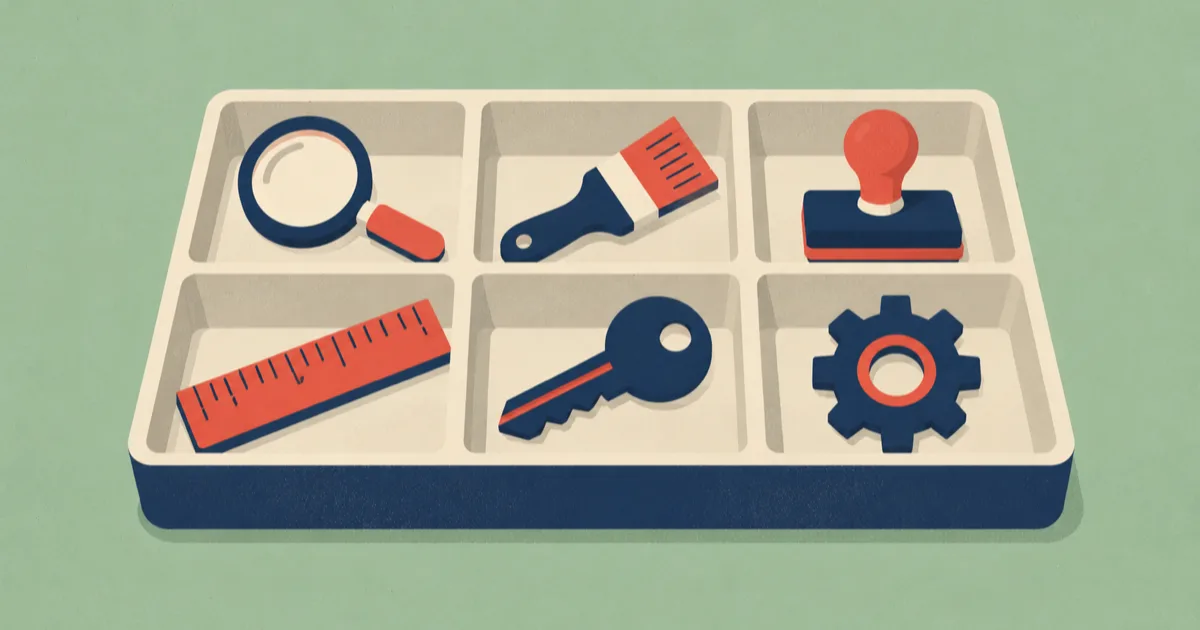
AI tools for Australian tax agents, sorted by job
Research, bookkeeping, workpapers, review, practice management and outsourcing. Which products do which job for an Australian practice, and where each stops.

What AI cannot do in a tax workpaper
It cannot see the document nobody sent, make the judgement call, or notice when a statement is wrong. An honest list for partners deciding where AI belongs.
What changed: integrations and entity papers
BeforeMay now connects to Xero, QuickBooks, your drives, Outlook and LodgeiT, and company and trust workpapers are nearly ready.

Reconciling merchant settlements to the bank
Card deposits land net of fees, refunds and chargebacks. How to trace gross sales from the merchant report to each bank deposit, with working a reviewer can follow.

When the ATO pre-fill doesn't match the client
The pre-filling report says one figure and the client's statement says another. How to find the cause, record it, and stop the file quietly choosing a side.

Why clients send a year of receipts in one night
The 11pm receipt dump on 30 June is not a client failing. It is what a once-a-year request produces. How to ask for receipts so they arrive usable.
Loan repayments are not an interest schedule
A rental loan's repayments mix principal, interest and fees. How to rebuild the interest figure from the lender's records and show the working a reviewer can follow.

The 15 May lodgment rush starts in August
The fortnight before 15 May is not a capacity problem. It is a queue of client files that were never opened in the nine months before it, and it can be sorted early.

Quoting a rental catch-up job: look first
Before you fix a fee for a rental property catch-up, open one full year of source records per property. The loan, the ownership and the gaps set the price.

Rental property sale: the cost base records
Selling a rental property? Rebuild the cost base from purchase, improvement and deduction records now, before the old file is archived.

Fixed-fee tax work needs a stop point
Stop scope creep on fixed-fee tax work. Inspect the records, define the starting point, and agree extra work before a routine return becomes a clean-up job.

What changed: Clients, Sign, one sign-in
A new Clients app for the people behind the cases, a lot more in Sign, and one sign-in that now carries across every BeforeMay product, passkey included.

Bank reconciliation when the feed looks finished
A clear bank feed can still leave a bank reconciliation unfinished. A practical year-end check for statement gaps, duplicates and unexplained differences.

What a reviewer checks on a Div 7A schedule
A Div 7A schedule that adds up can still fail review. What a partner looks for first, from the loan agreement's date to evidence that each repayment was made.

Rental statements: where the missing rent went
Reconcile a rental agent's annual statement to owner payments, catch duplicate expenses, and leave a rental workpaper that explains every difference.
Why the exchange CSV gets crypto CGT wrong
An exchange export records what the exchange's database did, not what happened for CGT. Where it misleads, and what a crypto schedule needs before review.

Can you use ChatGPT on client tax work?
Pasting a client's bank statement into a chat window is a disclosure to a third party. What the TPB says about it, and where general AI actually helps a practice.

What the TPB's AI guidance asks of your practice
TPB(GS) 55/2026 requires less than its headlines suggest, and asks for one thing most firms have not noticed. What is required, what is recommended, and what to do.

Your next hire is not another preparer
The season hurt, so you write an ad for another preparer. But the pile that grew wasn't unprepared files — it was files waiting on you.

What a seasonal hire interview should test
Everyone asks which software they've used. It's the one thing on the list you can teach in a week, and it hides the four things you can't.

The junior work is where seniors come from
Ticking and casting was never the valuable part. It was the apprenticeship, and it left the building with the manual work nobody meant to keep.

Why workpapers come back from review
The partner isn't checking your arithmetic. They're checking whether they can get from a figure back to the document it came from without getting up and finding you.

Chasing documents is the real bottleneck
A return takes three hours of work and seven weeks of calendar. Nobody bills the seven weeks, nobody schedules them, and they decide how your season goes.